Play Helps Children Learn Naturally
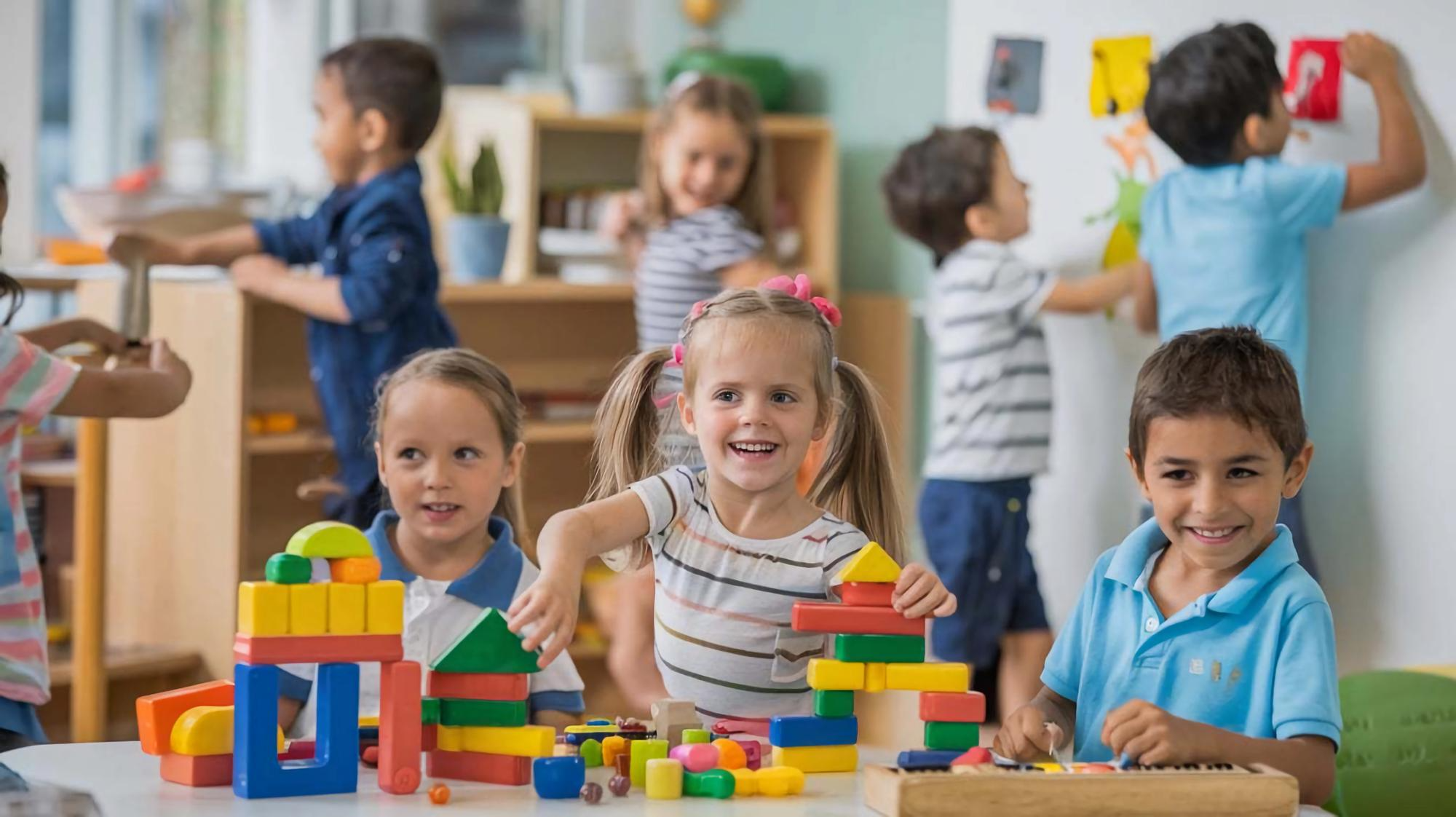
Children learn best when they are actively engaged. Through play, they explore ideas, solve problems, make decisions, cooperate with others, and manage challenges.
Even a simple game can become an opportunity to develop patience, creativity, and confidence.
Play Encourages Creativity
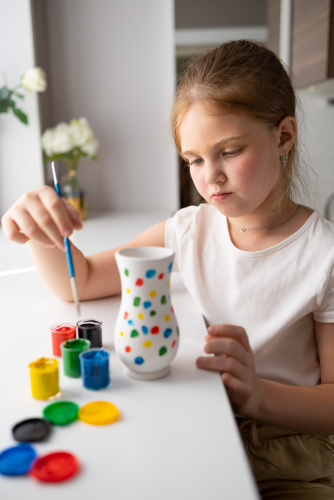
Children have incredible imaginations. Giving them opportunities to create, experiment, and explore allows that imagination to grow.
Art, storytelling, pretend play, music, and building activities encourage children to think creatively and discover their own ideas.
Play Supports Social Development
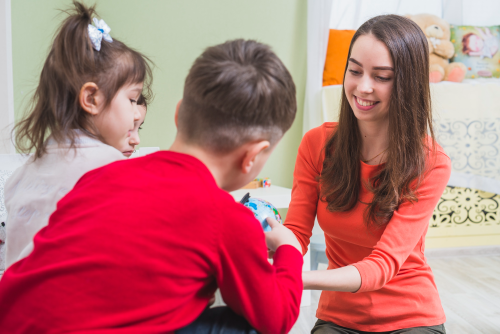
Playing with other children teaches important social skills.
Children learn to share and take turns, listen to others, express their feelings, cooperate, resolve small conflicts, and build friendships.
Learning Doesn't Have to Feel Like Learning
One of the most powerful things about play is that children can learn without feeling like they're sitting in a traditional lesson.
Counting objects, building structures, telling stories, solving puzzles, or exploring nature can all introduce important concepts in an enjoyable and memorable way.
Let Children Learn Through Play
Every child learns differently, but one thing remains universal: children are naturally curious.
When we give them the freedom, time, and support to play, we give them opportunities to discover new ideas, develop important skills, and become more confident in themselves.